
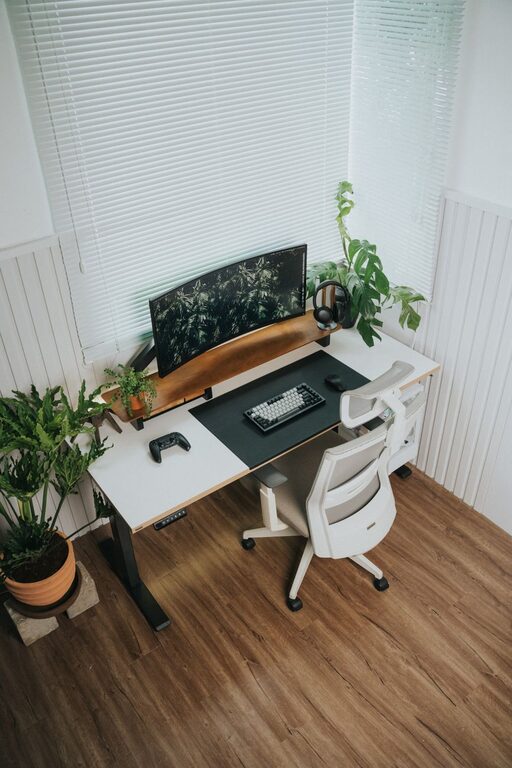
Tips for Creating a Relaxing Home Workspace Environment
Creating a relaxing home workspace environment is essential for maintaining focus, reducing stress, and enjoying your workday—even when working from home. A thoughtfully designed workspace can boost productivity and foster a positive mindset. Whether you have a dedicated room or a small corner, these tips will help you transform your area into a calming and efficient workspace.
Why a Relaxing Workspace Matters
Spending long hours working at home can sometimes blur the lines between personal and professional life, making it easy to feel overwhelmed or distracted. A relaxing environment not only helps improve concentration but also encourages creativity and reduces feelings of burnout. When your workspace feels inviting and comfortable, you’re more likely to stay motivated and maintain a healthy work routine.
Choose the Right Location
Find a Quiet Spot
Privacy and quietness are key to minimizing distractions. Try to pick a location away from noisy areas like the kitchen or living room. If multiple people share your home, communicate your work schedule to respect each other’s focus time.
Maximize Natural Light
Natural light boosts mood and energy levels. Position your desk near a window if possible, but be mindful of glare on your screen. Use light, sheer curtains to soften sunlight without blocking it completely.
Invest in Comfortable and Functional Furniture
Ergonomic Chair and Desk
Comfort is important for long hours of work. Invest in a chair that supports good posture with adjustable height and lumbar support. A desk at the right height helps prevent strain on your arms and back.
Consider Standing Options
Alternating between sitting and standing can improve circulation and reduce fatigue. Consider a sit-stand desk or a converter that allows you to switch positions easily.
Organize and Declutter
Keep Only Essentials on Your Desk
Limit your desktop items to what you need daily to keep your workspace tidy and distraction-free. Use organizers for pens, papers, and other small supplies.
Use Storage Solutions
Shelves, drawers, and filing cabinets can help keep documents and materials organized. Having a designated place for everything reduces clutter and saves time searching for items.
Personalize Your Space Thoughtfully
Add Plants
Indoor plants improve air quality and add a touch of nature that can help reduce stress. Choose low-maintenance options like succulents or pothos if you don’t have much time for care.
Use Soothing Colors
Opt for calm colors such as soft blues, greens, or earth tones. These shades create a serene backdrop that helps maintain a peaceful atmosphere.
Incorporate Meaningful Decor
Photos, artwork, or inspirational quotes can make your workspace feel welcoming. Avoid overcrowding surfaces; keep decorations minimal and meaningful.
Optimize Lighting
Layer Your Lighting
In addition to natural light, use a combination of overhead lights and task lighting. A desk lamp with adjustable brightness helps reduce eye strain during late hours.
Choose Warm Light Bulbs
Warm white or soft white bulbs create a cozy environment, while bright white bulbs are more energizing. Select lighting based on your preferences and the time of day you work.
Minimize Noise Distractions
Use Noise-Cancelling Headphones
If you cannot control external noise, noise-cancelling headphones can help you concentrate.
Play Background Sounds
Some people find white noise, nature sounds, or soft instrumental music helpful for focus. Experiment to see what enhances your productivity.
Establish Boundaries and Routine
Set Clear Work Hours
Define your work schedule and stick to it. Using a consistent start and finish time helps separate work and personal life.
Create a “Start Work” Ritual
Establish a small routine to signal the beginning of your workday, such as brewing a cup of tea or tidying your desk. This mental cue prepares you to focus.
Take Regular Breaks
Incorporate short breaks to stretch, walk around, or meditate. Breaks prevent fatigue and support sustained productivity.
Maintain Air Quality and Comfort
Keep Your Workspace Well-Ventilated
Fresh air promotes alertness. Open windows regularly or use an air purifier to improve air quality.
Control Temperature
Ensure your workspace is at a comfortable temperature to avoid distractions caused by being too hot or cold.
—
Creating a relaxing home workspace doesn’t require a major renovation or big budget. Small changes like decluttering, improving lighting, and adding personal touches can make a significant difference. A peaceful, organized, and comfortable environment supports your best work and helps maintain a healthy balance between professional responsibilities and home life. Try these tips and adjust based on what feels best for you!
