Tips for Creating a Relaxing Home Office Environment to Boost Productivity
Creating a relaxing home office environment is essential for maintaining focus and boosting productivity, especially as many people continue to work remotely or blend home and office life. The right setup can help reduce stress, improve your mood, and make working from home feel enjoyable rather than a chore.
In this blog post, we’ll explore practical tips for designing a comfortable and calming home office space that supports your work habits and helps you get the most out of your day.
Why a Relaxing Home Office Matters
A home office isn’t just a desk and computer. It’s a place that influences how you feel and perform. When your workspace feels cluttered, noisy, or uncomfortable, it can be harder to concentrate and be productive. On the other hand, a well-designed, relaxing environment encourages creativity and focus.
Here are a few key benefits to creating a soothing home office:
– Reduced stress and anxiety
– Increased motivation and energy
– Better focus and concentration
– Improved work-life balance
Choose the Right Location
Start by selecting a quiet, comfortable spot in your home with minimal distractions. Ideally, this should be a space you can close off from the rest of your home to maintain clear boundaries between work and relaxation time.
– Natural light: Place your desk near a window to take advantage of natural light. Sunlight helps regulate your body clock and improves mood.
– Good ventilation: Fresh air keeps you alert and avoids stuffiness.
– Privacy: If possible, pick a room or corner where you won’t be interrupted frequently.
Invest in Comfortable Furniture
Your furniture should support healthy posture and reduce physical strain during long work hours.
– Ergonomic chair: Choose a chair with lumbar support and adjustable height. Sitting comfortably is crucial for preventing back pain.
– Appropriate desk: Ensure your desk size fits your work tools and allows for an organized space. Sit at a height so your forearms rest comfortably parallel to the floor.
– Footrest: If your feet don’t reach the floor easily, add a footrest to improve posture.
Optimize Lighting
Lighting plays a major role in reducing eye strain and keeping you alert.
– Layer your lighting: Combine natural daylight with overhead lights and task lamps. Use adjustable desk lamps for focused work.
– Avoid glare: Position screens and lighting so you don’t get glare or shadows on your work surface.
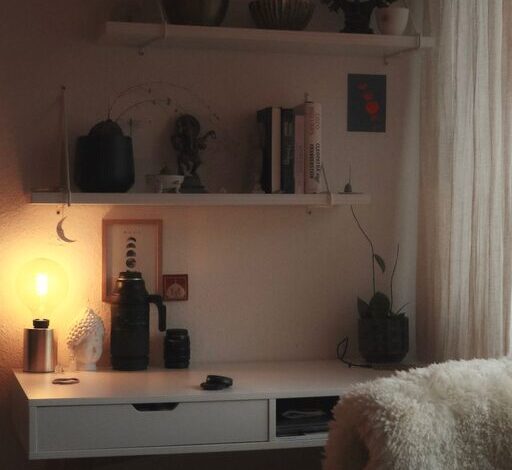
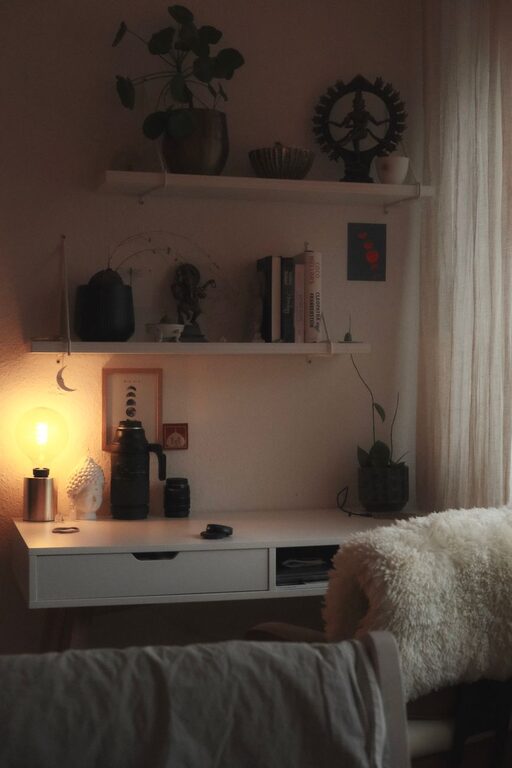
– Warm light: Use warm or neutral white bulbs for a relaxing atmosphere instead of harsh, cool white lights.
Declutter and Organize
A cluttered space can cause distractions and increase stress. Keep your home office tidy and well-organized for a smoother workflow.
– Use storage solutions: Shelves, filing cabinets, and desk organizers help keep items in place.
– Daily clean-up: Take a few minutes at the end of each workday to clear your desk and organize documents.
– Minimize items: Keep only essential tools and gadgets within reach to prevent visual clutter.
Add Calming Elements
Incorporating soothing elements can help reduce anxiety and make your workspace feel inviting.
– Plants: Indoor plants improve air quality and add a touch of nature. Choose low-maintenance plants like succulents or snake plants.
– Colors: Use calming colors such as soft blues, greens, or neutrals to paint or decorate your office.
– Artwork: Select a few pieces of art or inspiring quotes to personalize and brighten your space.
Manage Noise
Noise can be a big distraction when working from home. Find ways to create a quiet environment.
– Noise-cancelling headphones: These can block out distractions and help you focus.
– Soft background music: Calm instrumental music or nature sounds can improve concentration.
– Soundproofing: Use rugs, curtains, or acoustic panels to absorb noise and reduce echoes.
Incorporate Break Zones
It’s important to step away from your desk regularly to refresh your mind.
– Create a small relaxation corner: Add a comfortable chair or cushion nearby where you can stretch or do breathing exercises.
– Stand or move: Consider using a standing desk or take short walking breaks around your home to avoid stiffness.
– Hydrate and snack: Keep water and healthy snacks nearby to maintain your energy levels.
Set Clear Work Boundaries
Having a designated workspace helps you separate work from personal life.
– Set a schedule: Define your work hours and stick to them as much as possible.
– Signal when you work: Use visual cues like closing a door or a “Do Not Disturb” sign to let others know you’re busy.
– End-of-day ritual: Close your laptop and tidy your space to mentally switch off from work.
Use Technology Wisely
Technology tools can support productivity, but overuse can also be draining.
– Declutter your desktop: Keep your computer desktop organized and close unnecessary tabs or apps.
– Use productivity apps: Tools like task managers and calendars help you stay organized.
– Limit distractions: Turn off phone notifications or use focus modes during work periods.
Conclusion
Creating a relaxing home office takes some planning but offers big rewards in productivity and well-being. By choosing the right location, investing in ergonomic furniture, optimizing lighting, decluttering, adding calming touches, managing noise, and setting clear boundaries, you can transform your workspace into a haven that supports your best work.
Take a little time to tailor your environment to your needs and enjoy the balance of comfort and efficiency every day.